About Me
About Me
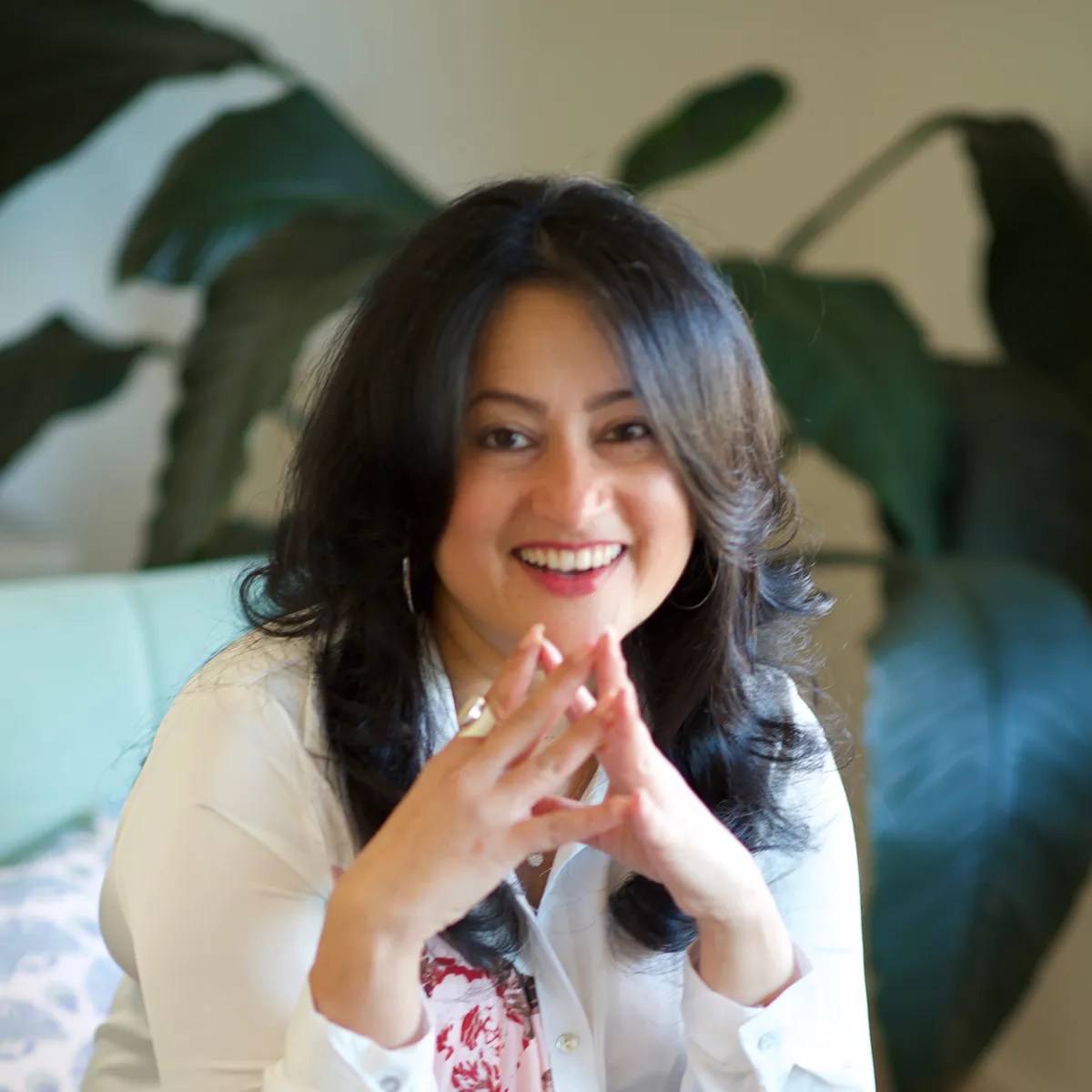
Onkar
Consciousness Mentor | Author |
Energetic & Informational Medicine Practitioner |
TimeWaver Pro Practitioner
Based in Geelong, Australia.
Working with clients internationally.
Author of
MaTricks: My Twisted Love Affair.
Through sharp wit and disarming honesty, I expose the emotional entanglement behind awakening… the part most “spiritual” stories skip.
I'm not here to become your guru. I've already spent enough time looking for answers myself.
I've tried the modalities, done the work and spent years exploring ways to understand myself and change the things that weren't working.
There were periods when life seemed to fall apart across several fronts, and I kept looking for ways to put things right. More understanding, more work.... another approach, another explanation, another box or framework to tell me who I was.
Eventually, I became tired of constantly managing, correcting and trying to get myself and my life right.
I was done depending on other people to tell me what to do, what things meant, or whether I was on the right track.
It didn't make me suddenly certain of everything, but it changed the questions I was willing to ask.
I’m interested in the lens through which experience is being perceived, and what sits underneath those patterns...
the Assumptions, Identities and Automatic ways of experiencing life.
Onkar
Consciousness Mentor | Author |
Energetic & Informational Medicine Practitioner |
TimeWaver Pro Practitioner.
Based in Australia.
Working with clients internationally.
Author of
MaTricks: My Twisted Love Affair.
Through sharp wit and disarming honesty, I expose the emotional entanglement behind awakening… the part most “spiritual” stories skip.
I'm not here to become your guru. I've already spent enough time looking for answers myself.
I've tried the modalities, done the work and spent years exploring ways to understand myself and change the things that weren't working.
There were periods when life seemed to fall apart across several fronts, and I kept looking for ways to put things right. More understanding, more work.... another approach, another explanation, another box or framework to tell me who I was.
Eventually, I became tired of constantly managing, correcting and trying to get myself and my life right.
I was done depending on other people to tell me what to do, what things meant, or whether I was on the right track.
It didn't make me suddenly certain of everything, but it changed the questions I was willing to ask.
Onkar
Consciousness Mentor | Author |
Energetic & Informational Medicine Practitioner |
TimeWaver Pro Practitioner.
Based in Geelong, Australia. Working with clients internationally.
Author of
MaTricks: My Twisted Love Affair.
Through sharp wit and disarming honesty, I expose the emotional entanglement behind awakening… the part most “spiritual” stories skip.
I'm not here to become your guru. I've already spent enough time looking for answers myself.
I've tried the modalities, done the work and spent years exploring ways to understand myself and change the things that weren't working.
There were periods when life seemed to fall apart across several fronts, and I kept looking for ways to put things right. More understanding, more work.... another approach, another explanation, another box or framework to tell me who I was.
Eventually, I became tired of constantly managing, correcting and trying to get myself and my life right.
I was done depending on other people to tell me what to do, what things meant, or whether I was on the right track.
It didn't make me suddenly certain of everything, but it changed the questions I was willing to ask.
I’m interested in the lens through which experience is being perceived, and what sits underneath those patterns...
the Assumptions, Identities and Automatic ways of experiencing life.
I'm curious about consciousness, reality and the assumptions we live inside without even noticing. I ask questions, challenge explanations and enjoy looking at things from angles we might not have considered.
Why we keep repeating things we consciously want to change?
What happens when we stop accepting the first explanation?
And the possibility that there is more information involved in our experience than we normally know how to access.
At the same time, I'm also cheeky, playful and a bit irreverent. I bring humour, joy and aliveness into my sessions, because even when the work is serious, change doesn’t have to feel heavy.
Sometimes a well-timed laugh is what helps us see things differently.
And no, you don't have to agree with me.
In fact, I rather like it when people think for themselves.
My work explores the relationship between consciousness, information and the physical world, and the possibility that what we experience on the surface may be an expression of deeper informational processes.
My approach has grown from years of exploring consciousness, spirituality, energetic and informational approaches, and questioning the assumptions we often make about reality, ourselves and the way change happens.
I'm particularly interested in what happens when we stop looking only at the visible expression of an experience and begin asking what information may be connected with it. Alongside my TimeWaver Pro work, I facilitate consciousness-based exploration designed to help people develop greater clarity, discernment and trust in their own direct experience, rather than continually looking outside themselves for answers.
I wasn't looking for another guru.
I was looking for answers.
I didn't want another belief system.
I wanted better questions.
Like many people who become interested in spirituality, consciousness and the nature of reality, I spent years exploring different teachings, traditions and people who seemed to have answers I didn't.
Some of what I found was genuinely valuable. Some of it changed the way I saw the world. But eventually, I became more interested in a different question:
"What would happen if I stopped taking everyone else's word for it?"
That question changed the way I approached almost everything. I started questioning the ideas I had accepted, the assumptions underneath them and, eventually, the questions themselves. Rather than continually looking for someone who could tell me what was true, I became interested in testing my own wisdom and learning to distinguish between what I actually knew, what I believed, what I had been told and what I simply hadn't figured out yet. That meant testing my own wisdom rather than simply collecting other people's.
And that's also when I saw that even the Red Pill was a trap.
Because replacing one explanation with another doesn't necessarily mean you've started thinking for yourself. You can leave one belief system and walk straight into another, convinced you've finally found the truth.
That became an important part of how I approach my work.
I don't believe you need another person to tell you what your experience means. I can offer perspectives, questions, frameworks and ways of looking that you may not have considered. I can challenge an assumption or help you see something you may have been too close to see. But I don't want my interpretation to become another authority you depend on.
I'm particularly interested in what happens when we stop automatically accepting the first explanation that appears. That curiosity has taken my work across consciousness, spirituality, philosophy, the nature of reality, information and the relationship between what we experience and what may be underlying it.
That exploration eventually led me into Information Field work and TimeWaver Pro, which opened another way of exploring the relationship between consciousness, information and the physical world.
I don't see these areas as separate boxes. They are different ways of looking at questions that have interested human beings for a very long time:
What are we?
What is consciousness?
Why do we experience the world as we do?
What influences our experience?
And how much of what we call reality is actually being noticed by us?
I don't have a perfect answer for reality. Frankly, anyone who does deserves a follow-up question. What I do have is a continuing willingness to investigate, challenge my own assumptions and change my mind when something gives me reason to.
I don't want to be the person you have to keep coming back to because you no longer trust yourself without me. That would be a spectacular failure.
Eventually, I want you to need me less.
That's the point!
Whether you come to me through consciousness work, a conversation, or TimeWaver Pro, I don't want to become another external authority whose interpretation you need before you can trust yourself.
I want you to tune in to your own wisdom to recognise what you know, questioning what you assume, sitting with what you don't know and making choices you actually mean to make.
You don't need another person to become the authority on your life. You need the capacity to think, discern and see for yourself. And if my work helps you develop that capacity to the point where you don't need me anymore, I'll consider that a success!
"You don't need to hand your authority away. Over time, the aim is to help you recognise and trust your own direct knowing, so that the answers you rely on increasingly come from your own clear experience rather than constant dependence on external certainty.”
- Onkar
"You don't need to hand your authority away. Over time, the aim is to help you recognise and trust your own direct knowing, so that the answers you rely on increasingly come from your own clear experience rather than constant dependence on external certainty.”
- Onkar
Connect with me on Socials


ALL RIGHTS RESERVED ©THE RADICAL MUSE 2026
Quick Links
Home
About
TimeWaver Pro
Consciousness Mentoring
Coherence Dhwani
Client Experiences
DESIGNED BY:
ALL RIGHTS RESERVED ©THE RADICAL MUSE 2026
Connect with me on Socials
Quick Links
Home
About
TimeWaver Pro
Consciousness Mentoring
Coherence Dhwani
DESIGNED BY:
Quick Links
Home
About
TimeWaver Pro
Consciousness Mentoring
Client Experiences
ALL RIGHTS RESERVED ©THE RADICAL MUSE 2026
Connect with me on Socials
DESIGNED BY: